- Support: 24/7 Emergency Call
- Email Us: info@firstheartcare.com
- Uncategorized
28042001vivek@gmail.com
July 21, 2026
6:31 PM
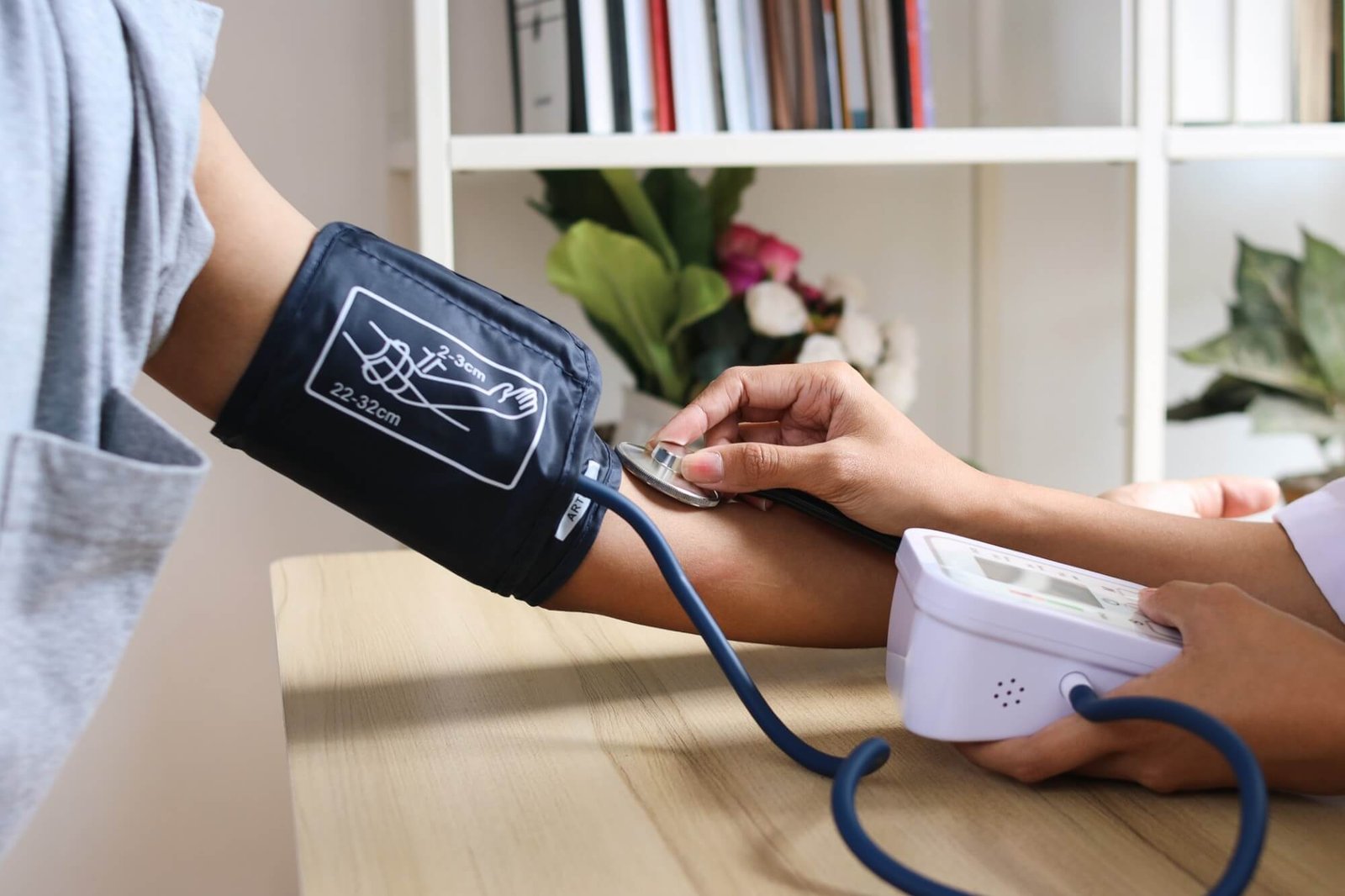
Heart disease remains one of the leading causes of death worldwide. The good news is that many heart conditions develop gradually and often show warning signs before becoming serious. Recognizing these symptoms early and consulting a cardiologist can help prevent complications and improve long-term heart health.
10 Early Warning Signs of Heart Disease You Should Never Ignore

Lorem ipsum dolor sit amet consectetur. Vitae est amet aliquam sed nec et justo arcu sem. Quam tellus integer sit vulputate feugiat. Tellus velit arcu proin facilisis. Diam ac est quis penatibus lectus amet mauris. Sed viverra nulla fringilla mattis malesuada. Enim eros nibh dictum amet risus in tempus mauris sem. Adipiscing urna augue ornare mi pellentesque leo. Sit integer dis libero sodales. Adipiscing nisl est hendrerit leo tempor posuere risus at mi. Pulvinar leo tristique viverra egestas ut vestibulum vitae egestas volutpat. Porta aliquet tristique nulla et justo. Proin mattis volutpat amet pulvinar at tellus sed. Rhoncus sed gravida leo semper sit. Eu velit erat posuere cras. Ac amet nam tortor lacus aliquet. Nascetur gravida urna bibendum condimentum tincidunt pellentesque pulvinar cum. Eget sapien urna non diam vel sollicitudin penatibus. Fringilla enim mi id aenean consequat. Fringilla at scelerisque quam risus semper scelerisque.
1. Chest Pain or Discomfort
2. Shortness of Breath
3. Unusual Fatigue
4. Pain in the Arm, Neck, Jaw, or Back
Heart-related pain does not always stay in the chest.
Pain may spread to the:
- Left arm
- Right arm
- Neck
- Jaw
- Shoulder
- Upper back
This symptom should always be evaluated promptly.
5. Irregular Heartbeat (Palpitations)
Occasional skipped beats are common, but frequent racing, pounding, or irregular heartbeats may indicate an underlying heart rhythm disorder.
A cardiology evaluation can determine the cause.
6. Swelling in the Legs, Feet, or Ankles
Swelling may occur when the heart cannot pump blood effectively, causing fluid to build up in the body.
Persistent swelling should never be ignored.
7. Dizziness or Fainting
Frequent dizziness, lightheadedness, or episodes of fainting may indicate reduced blood flow to the brain due to heart problems.
Immediate medical evaluation is recommended.
8. Excessive Sweating
Cold sweats without physical exertion, especially when accompanied by chest discomfort or nausea, can be a warning sign of a heart attack.
Call emergency medical services immediately.
9. High Blood Pressure
High blood pressure often has no symptoms, making it a “silent killer.”
Regular blood pressure monitoring is essential because uncontrolled hypertension significantly increases the risk of:
- Heart attack
- Stroke
- Heart failure
- Kidney disease
10. Family History of Heart Disease
Even if you feel healthy, having a family history of heart disease increases your risk.
Regular heart check-ups and preventive screening are strongly recommended.

Get Breaking News And More! Register For Our Newsletter

Committed to excellence in heart care, First Heart Care offers comprehensive cardiology services with a patient-first approach. Our goal is to deliver expert care, modern treatments, and lasting heart health for every patient.
Contact Us
- info@firstheartcare.com
+91 92052 08761